Climate Dividends Methodology
Climate dividends are a standardised indicator of companies' positive contribution to global decarbonisation, corresponding to the removed or avoided emissions by their activity.
What are avoided emissions?


The Climate Dividends Protocol
The Climate Dividends mechanism relies on a public Protocol, co-developed with our Technical Committee.
It was written based on existing frameworks (most notably the WBCSD's Guidance on Avoided Emissions), the inputs from 2 years of Pilot Phase (50+ Climate Dividends claims) and the 2024 Public Consultation.
Click on the button below to download it!
Key specificities of our protocol
1
Eligibility criteria
Not every company/solution are eligible to issue Climate Dividends. There are Eligibility criteria at Company level and at Solution level.
At Company level
The requirements at the Contributing Entity level are not the same, depending on the size of the company.

The transition plan must meet specific guidelines. It should comply with one the following rules:
- Be included in the list of recognized frameworks (e.g., SBTi, ACT).
- Prove that it avoids all the "red flags" listed by Reclaim Finance for non-credible transition plans.
- Follow the principles of a credible transition plan as defined by GFANZ.
This criterion ensures that the Contributing Entity doesn't communicate about its Climate Dividends without disclosing its carbon footprint and engaging in a credible transition plan to reduce it. This minimises the risk of greenwashing.
Details on SMEs thresholds, carbon footprint and/or transition plan precise characteristics can be found in the Protocol complete version.
At Solution level
The Solution must respect the following criteria.
- The Solution must contribute to global carbon neutrality according to recognized sources aligned with the latest climate science (i.e it should either be eligible to the EU Taxonomy OR be mentioned in IPCC’s AR6 Working Group III report for decarbonisation)
- The Solution does not cause significant harm to other environmental goals without any clear mitigation measures (similar to the EU Taxonomy DNSH criteria, disclosure of potential negative impact and mitigation measures). The concerned environmental goals are the following:
- Climate change adaptation
- Sustainable use and protection of water and marine resources
- Transition to a circular economy
- Pollution prevention and control
- Protection and restoration of biodiversity and ecosystems
- The Solution is not directly linked to activities involving exploration, extraction, mining and/or production, distribution and sales of fossil fuels i.e., oil, natural gas and coal.
Additional Criteria
Additionally, if the Solution is removing GHG emissions, it must..
- ... prove a permanency of storage >100 years
- ... not be a Nature-Based Solution
These criteria are temporary and are due to evolve when the Climate Dividends has the capacity to deal with the complexity of storage permanency matters.
2
Attribution Key amongst the value chain
When multiple stages/stakeholders are involved in the development of the Solution, the Contributing Entity must define and apply an attribution key to allocate the positive climate impact (avoided or/and removed emissions) to the different stages/stakeholders.
All value chain elements that differ significantly between the project scenario and baseline should be included in the attribution key, as well as all sub-elements with a legitimate contribution (following the WBCSD approach).
The main benefits of the attribution key are:
- Valuing each stakeholder/stage contributing to the development of the solution
- Avoiding double counting
The methods accepted by the Protocol to determine the attribution key are (by order of priority):
- financial cost of the Solution (cf diagram below)
- added value
- stakeholder consensus

3
Intervention of an independent Third-Party
To go from a mere comparative GHG assessment to an actual Climate Dividends claim, an audit by an independent 3rd-party is mandatory.
Once the claim is formalised, it is subject to an external review by an independent third party, referred to as Validator or Verifier (VV). The VV’s role is twofold:
- Validating the SDD i.e validating the compliance of the methodology used with the Climate Dividends Protocol requirements. The validation can be granted for up to 5 years
- Verifying the claim i.e making sure that the data used is real and precise enough. The Verification must be done each year (for each claim).
The company then receives a Validation and Verification opinion that is mandatory to complete the Climate Dividends process
Discover our extended documentation
Check out our Gitbook documentation website, providing extended methodological and practical explanations:
- Overall process
- Baseline definition
- Data considerations
- Auditors and Referenced Partners glossary
- Distribution rules
- ...
%20(1).png)
To complete the Climate Dividends Protocol’s generic approach, our technical team and independent experts validate sectoral methodologies, whether developed internally by the Climate Dividends Association (referred to as “cookbooks”) or external methodologies officially recognized by the Association.
Climate Dividends Sectoral Methodologies
developed by the Climate Dividends Association
also called "cookbooks"
.avif)
Methodology for all primary forms of low carbon electricity production, considered in a complete life cycle approach. Extension possible to electricity storage (pumped hydro and all forms of batteries) with the cookbook “On-grid electricity storage”


Methodology for all primary forms of low carbon electricity production, considered in a complete life cycle approach. Extension possible to electricity storage (pumped hydro and all forms of batteries) with the cookbook “On-grid electricity storage”

Methodology to calculate avoided emissions associated with complete and partial building renovations, taking into account both CO2 savings in the choice of materials and techniques, and energy savings in operation.
Methodology to calculate avoided emissions associated with complete and partial building renovations, taking into account both CO2 savings in the choice of materials and techniques, and energy savings in operation.
.jpg)
Methodology to calculate avoided emissions associated with all solutions that promote, develop or distribute low carbon, short-distance mobilities. Mostly designed for bike distributors and free-floating bike operators, the cookbook tackles the modal shift and demotorization of the end users.
Methodology to calculate avoided emissions associated with all solutions that promote, develop or distribute low carbon, short-distance mobilities. Mostly designed for bike distributors and free-floating bike operators, the cookbook tackles the modal shift and demotorization of the end users.

Methodology to calculate avoided emissions associated with electro-mobility for all the stakeholders from the value chain., with a consolidated approach between EVs manufacturers and distributors and charging systems.
Methodology to calculate avoided emissions associated with electro-mobility for all the stakeholders from the value chain., with a consolidated approach between EVs manufacturers and distributors and charging systems.

Methodology to calculate avoided emissions associated with all heat generation system based on geothermal energy, whether they're deployed on a greenfield or brownfield projects and in many geological contexts.
Methodology to calculate avoided emissions associated with all heat generation system based on geothermal energy, whether they're deployed on a greenfield or brownfield projects and in many geological contexts.

Methodology to calculate avoided emissions associated with all generic forms of industrial processes that bring to the market a less carbon intensive alternative.
Methodology to calculate avoided emissions associated with all generic forms of industrial processes that bring to the market a less carbon intensive alternative.

Methodology to calculate avoided emissions associated with all forms of electricity storage, in battery or in other forms, through intra-day grid optimizations.
Methodology to calculate avoided emissions associated with all forms of electricity storage, in battery or in other forms, through intra-day grid optimizations.

Methodology to calculate avoided emissions associated with all acts that significantly increase the reduction of solar incidence on the roof, leading to a decreased use of AC and thus an energy consumption decrease.
Methodology to calculate avoided emissions associated with all acts that significantly increase the reduction of solar incidence on the roof, leading to a decreased use of AC and thus an energy consumption decrease.
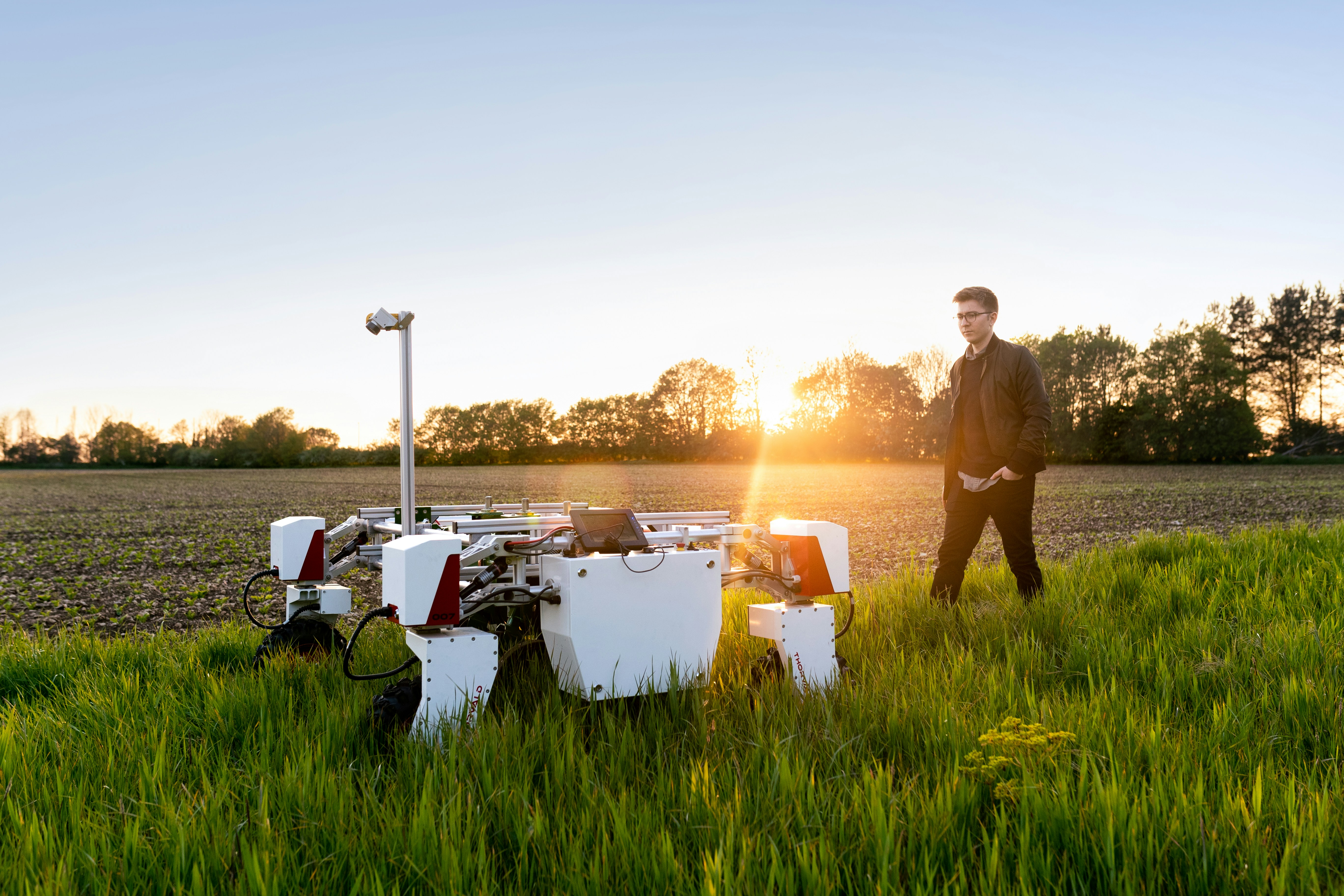
Methodology to calculate avoided emissions associated with all forms of weed management using robots and by extension less carbon intensive practices (electric tractors, etc.). It can also be extended to agricultural practices that avoid emissions based on a robust LCA, excl. removed emissions.
Methodology to calculate avoided emissions associated with all forms of weed management using robots and by extension less carbon intensive practices (electric tractors, etc.). It can also be extended to agricultural practices that avoid emissions based on a robust LCA, excl. removed emissions.

Methodology to calculate avoided emissions associated with the recovery, with and without storage, of heat in an industrial context allows end users to displace their more carbon-intensive energy consumptions.
Methodology to calculate avoided emissions associated with the recovery, with and without storage, of heat in an industrial context allows end users to displace their more carbon-intensive energy consumptions.
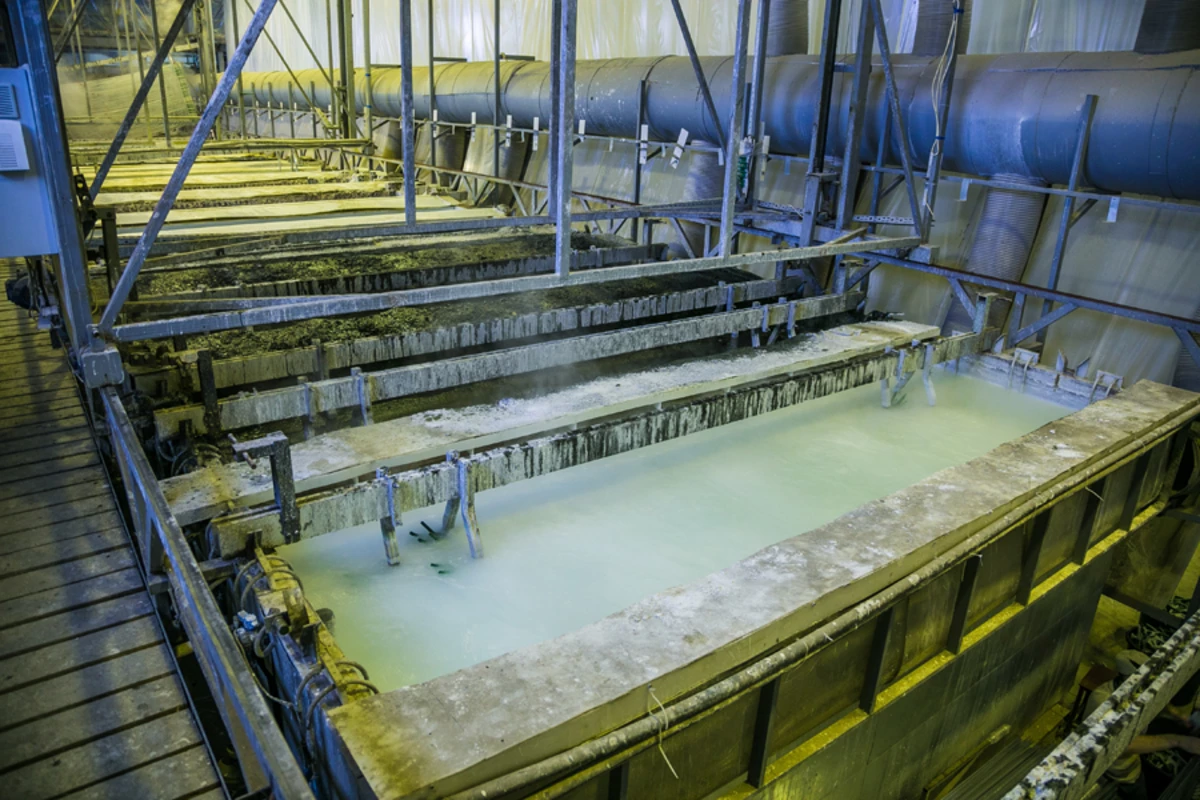
Methodology to calculate avoided emissions associated with all forms of wastewater concentration prior to adequate treatments to reduce the need for transportation and incineration
Methodology to calculate avoided emissions associated with all forms of wastewater concentration prior to adequate treatments to reduce the need for transportation and incineration
.png)
Click here to download all the cookbooks in a single ZIP file.
Click here to download all the cookbooks in a single ZIP file.

Methodology to calculate avoided emissions associated with all solutions linked to circularity with a converging approach: second-hand items, repair solutions, rental services and refurbishment.
Methodology to calculate avoided emissions associated with all solutions linked to circularity with a converging approach: second-hand items, repair solutions, rental services and refurbishment.
.avif)
Methodology to calculate avoided emissions associated with all waste management services including the collection, massification and transport, sorting and treatment of waste.
Methodology to calculate avoided emissions associated with all waste management services including the collection, massification and transport, sorting and treatment of waste.
External Sectoral Methodologies
recognized by the Climate Dividends Association
.png)
Quantifies carbon removal by converting biomass into stable biochar via pyrolysis. It uses a decay-based model to ensure 200+ year permanence, accounting for biomass sustainability, production emissions, and soil-specific persistence based on H/C ratios.

Quantifies carbon removal by converting biomass into stable biochar via pyrolysis. It uses a decay-based model to ensure 200+ year permanence, accounting for biomass sustainability, production emissions, and soil-specific persistence based on H/C ratios.
.png)
Avoids emissions by extending device lifespans through repair and reuse. It calculates credits by comparing refurbishing impacts against the footprint of manufacturing new hardware, factoring in collection, spare parts, and regional e-waste recycling rates.
Avoids emissions by extending device lifespans through repair and reuse. It calculates credits by comparing refurbishing impacts against the footprint of manufacturing new hardware, factoring in collection, spare parts, and regional e-waste recycling rates.
.png)
A "Pillar B" framework for new construction. It calculates avoided emissions by comparing a high-performance project against a standard market baseline. Focuses on low-carbon materials and energy-efficient design to drive sector-wide decarbonization.
A "Pillar B" framework for new construction. It calculates avoided emissions by comparing a high-performance project against a standard market baseline. Focuses on low-carbon materials and energy-efficient design to drive sector-wide decarbonization.
.png)
Sector-specific guidance for calculating avoided emissions from agricultural interventions. It uses lifecycle-based comparisons for solutions like low-carbon feed, precision farming, and diet shifts, ensuring claims align with science-based 1.5°C decarbonization paths.
Sector-specific guidance for calculating avoided emissions from agricultural interventions. It uses lifecycle-based comparisons for solutions like low-carbon feed, precision farming, and diet shifts, ensuring claims align with science-based 1.5°C decarbonization paths.
How do Climate Dividends fit in the ecosystem?
Climate Dividends are not designed as a standalone metric, but rather to fit in a larger picture with other frameworks (focused on induced and/or avoided emissions), upcoming regulations...etc. In that sense, they are complementary to other existing initiatives in the ecosystem and are rather thought as a standardizing filter!

 | AEFDi |  | ||
|---|---|---|---|---|
| Structure | Non-profit | Corporate coalition | Commercial database | Non-profit |
| Main focus | Methodological guidance, Use Cases Database | Methodological guidance | Database | Methodological guidance, Use Cases |
| Target Users | Companies & Investors | Companies | Investors | Investors |
| Type of impact | Avoided GHG & Removed GHG (>100y permanency) | Avoided GHG | Avoided GHG | Avoided GHG |
| Audit by a 3rd-party | Mandatory | No | No | No |
| Transparency | Mandatory | Recommended | No | No |
Designed to be integrated in official regulation and reporting frameworks
Climate Dividends are an extra-financial mechanism. They're neither a label, nor a score nor a grade.
They are meant to be used in ratios (vs in absolute value) to set targets in terms of climate positive contribution, in reporting frameworks and regulation.
• Reporting frameworks: Climate Dividends can already be reported in the Net Zero Initiative Framework of Carbone4 and in ACT for Finance.
They are also mentioned in the GFANZ's publication on Transition Finance and Decarbonization Contribution Methodologies.
• Official regulation : Even though, Climate Dividends are not compulsory in European regulation frameworks yet (CSDR, SFDR), they can already be reported voluntarily in the CSRD reporting. It's in our roadmap!


Complementary with carbon credits
Even if Climate Dividends are complementary with carbon credits, they are fundamentally different in nature.
Both mechanisms measure the positive contribution to global decarbonisation of an activity. However, carbon credits are a tradable asset that can be sold to any customer whereas Climate Dividends are extra-financial information that can only be distributed to shareholders.
In addition, the scope of projects eligible for Climate Dividends is much larger than for carbon credits, as no financial additionality is required to issue and distribute Climate Dividends. Carbon credits projects must prove that they need the money from carbon credits sales to be achieved.

More details on the difference and complementarity betweeen Climate Dividends and carbon credits in this dedicated note.
Our technical committee
To help us maintain our Protocol, validate complex methodological choices and develop new methodologies, we rely on our Technical Committee.
The Technical Committee is a set of high-profile, international and independent experts on comparative GHG assessments and finance. They participate in a benevolent way, sharing their personal views without any conflict of interest.